
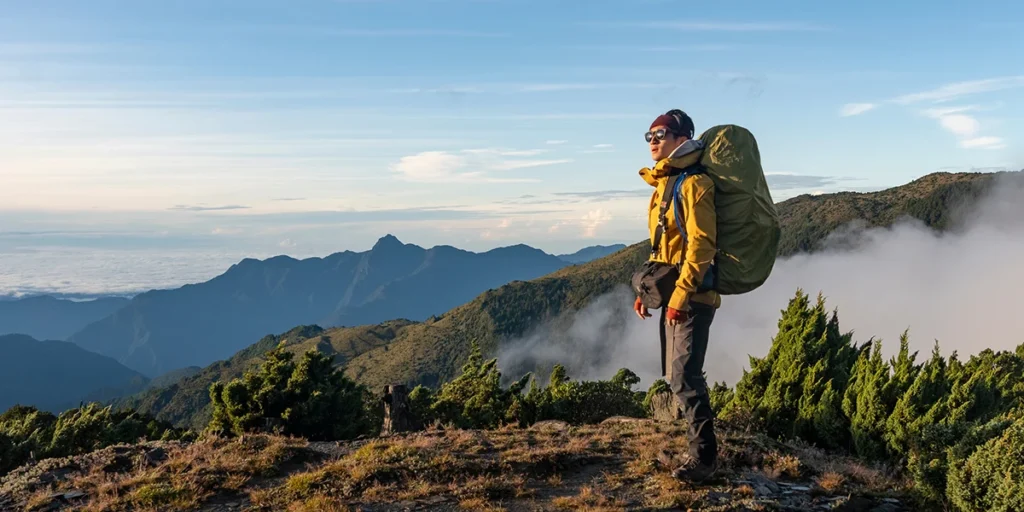
A long day on the trail can be surprisingly enjoyable when everything you need is packed properly and sits comfortably on your back. The same hike can become exhausting when your shoulders ache, your hips feel bruised, or you have to unpack half your bag just to find a rain jacket. Small decisions made before leaving home often determine whether you finish the day feeling satisfied or spend the final miles wishing you had packed differently.
I have come to appreciate that packing well is about much more than fitting equipment into a limited space. It involves distributing weight intelligently, keeping essential items accessible, protecting your gear from the weather, and making sure your backpack works with your body rather than against it. If you want to learn how to pack a hiking backpack for maximum comfort, the goal is to develop a simple system that keeps your load manageable and lets you concentrate on the trail ahead.
1. Start With the Right Backpack
The backpack itself makes a significant difference to how comfortable your hike feels. A bag that is too large can encourage unnecessary packing, while one that is too small may force you to attach equipment awkwardly or compress essential items until they are difficult to reach. Before thinking about where everything belongs, make sure the backpack suits the length of your trip, the equipment you need, and your body.
For a short day hike, a pack in the range of roughly 15 to 30 liters may provide sufficient room for water, food, extra clothing, navigation equipment, and basic safety supplies. Longer outings or hikes in unpredictable weather may require a larger capacity, depending on whether you need additional layers, cooking equipment, or overnight gear. These ranges are starting points rather than strict rules, so compare your actual equipment with the pack’s capacity before buying.
Fit is just as important as volume. Look for a backpack with an appropriate torso length, adjustable shoulder straps, a comfortable hip belt, and a back panel that suits your needs. If possible, try the pack on with some weight inside it, because an empty backpack can feel comfortable in a store but behave quite differently when loaded for a full day outdoors.
2. Gather Everything Before You Start Packing
One of the easiest ways to overpack is to put items into your backpack as you think of them. A spare shirt goes in first, a few extra snacks follow, and before long, the bag is full without a clear sense of what you actually need. Gathering everything beforehand makes it easier to identify duplicates, prioritize essentials, and leave unnecessary weight at home.
I like to organize gear into simple categories, including clothing, food and water, navigation, safety equipment, personal items, and weather protection. Lay everything out where you can see it, then compare the collection against a checklist based on your destination, expected conditions, and the duration of the hike. This also gives you a chance to check that important items are present, functional, and ready to use.
Be realistic about what the route demands. A short walk on a well-maintained trail usually requires a different setup from a full-day hike through remote terrain with unpredictable weather. Carry what you need to manage foreseeable problems, but avoid bringing several alternatives for every possible situation simply because you have space available.
3. Place Heavy Items Close to Your Back
Weight distribution is one of the most important principles of comfortable backpack packing. A heavy item positioned far away from your body can pull backward and make the pack feel less stable, while a poorly balanced load may cause you to lean forward or adjust your posture unnecessarily. Keeping heavier equipment close to your back generally helps the pack move with you rather than swing around as you walk.
For most day hikes, place moderately heavy items near the middle of the pack and close to your back, adjusting the arrangement to the terrain and your pack’s design. A compact food container or heavier clothing layer may fit well in this area, provided you can still access essential equipment quickly. Avoid placing hard, irregular objects directly against your spine, since they can create uncomfortable pressure points even when the overall load is reasonable.
The ideal arrangement can vary depending on the activity. On rough trails, keeping the load close to your body and relatively compact can improve stability, while a simple walk on even ground may allow a little more flexibility. After packing, walk around for a few minutes and notice whether the bag pulls backward, shifts from side to side, or makes you change your natural posture.
4. Pack Lightweight Items at the Bottom
The bottom of a hiking backpack is usually a good place for lightweight items you will not need until later in the day. Spare clothing, an extra insulating layer, or other soft equipment can fit into this area without creating unnecessary pressure against your back. Using the lower compartment effectively also helps you reserve more accessible space for the things you may need during the hike.
Soft items are particularly useful because they can fill gaps between other pieces of equipment. A spare shirt or lightweight layer can help prevent objects from shifting, while a small dry bag can keep clothing protected from rain or accidental spills. Avoid putting delicate equipment or items that must remain immediately accessible at the very bottom, where retrieving them may require unpacking the entire bag.
Think about when you will need each item, not simply how much space it occupies. Clothing intended for the evening can stay packed away during a short daytime hike, while a rain jacket should remain accessible if showers are possible. This simple distinction helps prevent unnecessary unpacking and makes it easier to respond to changing conditions.
5. Keep Frequently Used Items Within Easy Reach
A well-packed backpack should make essential equipment easy to find without requiring you to stop and rearrange everything. Items such as snacks, a map, sunscreen, tissues, and a rain jacket may be needed throughout the day, so placing them in convenient pockets can save time and frustration. Accessibility matters particularly when the weather changes or you need to respond quickly to a minor problem.
Use the hip-belt pockets, side pockets, top pocket, and other compartments according to their size and purpose. Keep small items together rather than scattering them throughout the bag, and use a consistent location for things you expect to reach regularly. For example, storing sunscreen in the same pocket on every hike makes it easier to find when you stop for a break.
Not every important item should be stored in an exterior pocket, however. Keep emergency supplies protected from rain and accidental loss, and make sure anything attached to the outside of your pack is secure. Avoid placing valuable equipment in pockets that could open easily when you squeeze through vegetation or brush against rocks.
6. Distribute Weight Evenly From Side to Side
A backpack can feel uncomfortable even when its total weight is reasonable if one side carries significantly more weight than the other. An uneven load may pull on one shoulder, affect your balance, and make the straps feel as though they are sitting incorrectly. Over several hours, that imbalance can contribute to fatigue and soreness.
As you pack, compare the weight on each side of the bag and arrange equipment so the load remains reasonably balanced. If your water bottle sits in one side pocket, consider how the other side affects the overall distribution, particularly when the bottle is full. Keep heavier items secure inside the pack instead of allowing them to swing around in exterior pockets.
Balance also matters as your supplies change throughout the day. Water becomes lighter as you drink it, and food disappears as you eat, which can gradually alter how the pack sits. Reassess the arrangement during longer breaks if the load begins to feel uneven, and make small adjustments rather than tolerating discomfort for the remainder of the hike.
7. Use Compression Straps to Stabilize the Load
Compression straps are useful because they reduce unnecessary movement inside the backpack and help the contents sit closer together. When a pack is only partially full, loose items may shift with each step, making the load feel less predictable. Tightening the straps appropriately can help keep equipment stable without requiring you to fill every available space.
After loading the main compartment, close the pack and adjust its compression straps until the contents feel secure. The goal is to prevent movement while leaving enough room for the backpack to maintain its intended shape. Avoid tightening the straps so aggressively that you crush delicate items, deform equipment, or make the bag unnecessarily difficult to open.
External attachment points can also be useful for carrying suitable gear, but they should not become a substitute for thoughtful packing. Items attached outside the bag may snag on branches, catch the wind, or shift while you walk. Whenever possible, keep the load compact and secure equipment externally only when it is designed to be carried that way.
8. Pack Water Carefully and Plan for Hydration
Water is essential on the trail, but it can also account for a substantial portion of your backpack’s weight. A liter of water weighs approximately one kilogram, so carrying several liters can quickly change how a pack feels. The right amount depends on the distance, temperature, exertion, availability of reliable drinking water, and your individual needs.
Place water in a secure, accessible location where it will not leak onto clothing or other equipment. Hydration reservoirs can make drinking convenient while walking, whereas bottles may be easier to refill and monitor. Either option can work well, provided it fits your backpack and you can reach your water without creating unnecessary hassle.
Plan your water supply before departure rather than assuming you will find a convenient stream along the route. If you intend to replenish from natural sources, carry an appropriate treatment method and understand what it can and cannot remove. Adjust your water plan to the conditions, and avoid carrying so little that you put yourself at risk simply to make the backpack lighter.
9. Protect Your Gear From Rain and Moisture
A sudden shower can leave clothing, food packaging, and other equipment damp before you have time to react. Wet gear can make the pack heavier, reduce the insulating performance of clothing, and leave you uncomfortable for the rest of the day. Keeping essential items dry is therefore an important part of packing for comfort.
A backpack rain cover provides a useful outer layer of protection, although heavy rain can sometimes enter through openings or seams. For additional security, place spare clothing, electronics, and other moisture-sensitive items inside waterproof or water-resistant dry bags. Separate wet equipment from dry layers so that a damp jacket does not soak everything else in the main compartment.
Organize your waterproofing according to the consequences of an item getting wet. A notebook may tolerate some moisture, but your phone, spare insulating layer, and emergency supplies deserve more protection. Check that dry bags are properly closed and inspect your pack for leaks before leaving, particularly if you expect to hike in prolonged rain.
10. Adjust the Shoulder Straps and Hip Belt Properly
Even a thoughtfully packed backpack can become uncomfortable if its adjustment points are set incorrectly. Many hikers instinctively tighten the shoulder straps as much as possible, assuming that a snug fit automatically provides better support. In reality, the hip belt, shoulder straps, and load lifters need to work together to distribute weight comfortably.
Start by loosening the straps before putting the pack on, then position the hip belt so it sits comfortably around your hips rather than sliding down toward your thighs. Tighten it securely enough to support the load without restricting movement or breathing. Adjust the shoulder straps so they sit close to your body, and use the load-lifter straps according to the backpack manufacturer’s guidance.
Walk around after making adjustments and pay attention to pressure points. The pack should feel stable without forcing your shoulders upward, pulling heavily backward, or rubbing painfully against your hips. Make small changes rather than tightening everything at once, and remember that proper fit cannot compensate indefinitely for a backpack that is too heavy.
11. Keep Essential Safety Equipment Accessible
Comfort should never come at the expense of basic trail safety. A first-aid kit, navigation tools, emergency communication equipment, and weather protection can become particularly important when a hike takes longer than expected or conditions deteriorate. Packing these items in a convenient and reliable location helps you respond without wasting time searching through the bag.
For a typical day hike, consider carrying a suitable first-aid kit, a charged phone with offline maps, a headlamp, extra clothing, sun protection, food, water, and emergency shelter appropriate to the terrain and forecast. A whistle and a backup power source may also be useful, while remote routes may justify carrying a satellite messenger or personal locator beacon. Your equipment should reflect the environment, the length of the trip, and the distance from emergency assistance.
Store small emergency items together in a clearly identified pouch, but do not bury them beneath equipment you will need throughout the day. Check that batteries are charged, essential supplies are in good condition, and you understand how to use your equipment. Before setting out, tell someone your planned route and expected return time, especially if you will be hiking alone.
12. Avoid Packing Unnecessary Extras
It is easy to convince yourself that one more item might come in handy, especially when you have not yet developed a reliable packing routine. A spare gadget, an extra change of clothes, or a bulky piece of equipment may seem harmless on its own, but unnecessary items gradually increase the load. That additional weight can become noticeable after several hours of climbing or walking over uneven ground.
Before closing your backpack, examine each item and ask whether it serves a clear purpose. Consider the weather, the duration of the hike, the availability of facilities, and the consequences of not carrying the item. Leave behind duplicate equipment and comfort items that add little value, but never remove essential safety supplies simply to achieve a lighter pack.
Experience will help you identify which extras are worthwhile and which ones rarely leave their pockets. After each hike, note what you used, what you never touched, and what you wished you had brought. Over time, these observations will help you develop a packing list that is tailored to your needs rather than based on guesswork.
13. Test the Pack Before Starting the Hike
Packing your backpack at home is only the first part of the process. A bag that looks organized on the floor may feel very different once you begin walking uphill, stepping over rocks, or moving at a steady pace for several kilometers. Testing the loaded pack before departure gives you an opportunity to identify problems while they are still easy to fix.
Put on the backpack with the equipment you intend to carry and walk around for several minutes. Try climbing a flight of stairs or walking on a gentle slope if you have a safe place to do so, and pay attention to pressure around your shoulders, hips, and lower back. Check whether the contents shift, whether the pack pulls to one side, and whether you can reach frequently used items without difficulty.
If the pack feels uncomfortable, make adjustments before deciding that you simply need to get used to it. Reposition heavy items, tighten or loosen the relevant straps, and remove unnecessary weight where appropriate. Persistent pain, numbness, or significant discomfort is a reason to stop and reassess the fit rather than assuming that it is an unavoidable part of hiking.
14. Repack After Every Hike
A reliable packing routine develops through observation and repetition. Each hike provides information about how your backpack performs, which equipment is useful, and where your organization could improve. Taking a few minutes to review the experience can make your next outing more comfortable without requiring you to buy additional gear.
When you return home, empty the pack and inspect its contents. Dry any wet equipment, clean items that need attention, replenish first-aid supplies, and recharge electronic devices. Note whether you struggled to access anything or found that certain items were packed in inconvenient locations.
Use those observations to refine your checklist rather than rebuilding your system from scratch every time. You might decide to move snacks into a hip-belt pocket, place your rain jacket closer to the top, or use a smaller container for lunch. Small improvements accumulate, and a familiar packing arrangement makes it easier to prepare efficiently for future adventures.
Final Thoughts on Packing for Comfort on the Trail
Learning how to pack a hiking backpack for maximum comfort is ultimately about making thoughtful decisions before your boots hit the trail. The right backpack, sensible weight distribution, accessible essentials, and secure storage can make a substantial difference to how you feel throughout the day. You do not need a perfect system from the beginning, but you do need one that supports your body and suits the demands of your route.
Start by gathering only the equipment you genuinely need, placing heavier items close to your back, and keeping frequently used supplies within easy reach. Adjust the hip belt and shoulder straps carefully, protect important gear from moisture, and test the fully loaded pack before setting off. Most importantly, remember that reducing unnecessary weight is useful only when you continue to carry the water, clothing, navigation tools, and safety equipment required for the conditions.
The more you hike, the easier it becomes to recognize what works for you. A well-packed backpack should feel stable, organized, and comfortable enough that you can focus on the landscape rather than constantly thinking about the weight on your shoulders. With practice and a few consistent habits, you can spend less time rearranging your equipment and more time enjoying the miles ahead.