
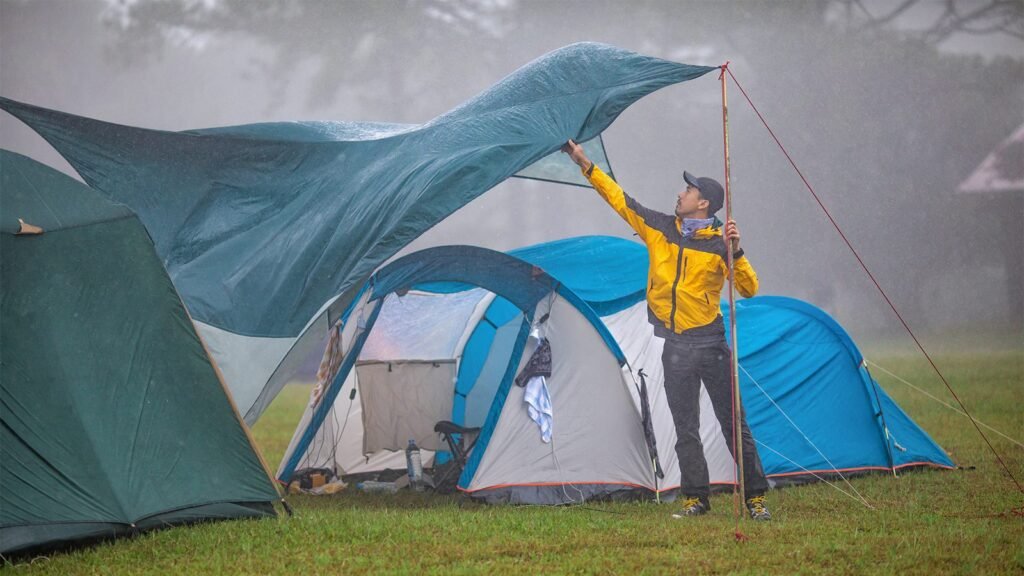
Finding a beautiful place to pitch a tent can feel like one of the best parts of a wilderness adventure. A quiet clearing beside a forest, a sheltered spot overlooking a valley, or a patch of level ground beneath an open sky can turn an ordinary night outdoors into a memorable experience. Yet the most attractive location is not always the best place to sleep, especially when rain, wind, wildlife, or difficult terrain enter the picture.
I have learned to look beyond the view when evaluating a potential campsite. The ground beneath your tent, the direction of the wind, the availability of water, and the distance from natural hazards can have a greater effect on your comfort than the scenery itself. Knowing how to choose the perfect campsite in the wilderness means finding a balance between safety, practicality, environmental responsibility, and the simple pleasure of spending a night outside.
Start by Checking the Rules
Before searching for the ideal patch of ground, find out where camping is actually permitted. National parks, wildlife reserves, forests, and other protected areas may have designated campsites, restrictions on overnight stays, or rules about how far campers must remain from roads, water sources, and wildlife habitats. In some places, camping outside designated areas is prohibited, while other areas allow dispersed camping under specific conditions.
I make this the first step because a seemingly perfect location can become a problem if camping there violates local regulations. Check official park websites, ranger stations, land-management authorities, or information boards at the trailhead before heading into the wilderness. If you are camping on private land, obtain permission from the landowner rather than assuming that an empty field or forest clearing is available for public use.
Regulations also help protect the landscape and the people who use it. Some areas restrict fires during dry seasons, prohibit camping near sensitive habitats, or close trails when weather conditions become dangerous. Knowing these restrictions before you arrive makes it easier to choose a suitable location without disturbing wildlife, damaging vegetation, or putting yourself in conflict with local authorities.
Look for Level, Well-Drained Ground
The ground beneath your tent is one of the most important factors in campsite selection. A gently level surface makes sleeping more comfortable and reduces the likelihood of waking up at the lowest end of your tent with your sleeping bag twisted around you. It also makes it easier to organize equipment and move around inside the shelter without constantly sliding toward one side.
I look for firm ground that appears capable of draining rainwater rather than collecting it. Avoid shallow depressions, muddy hollows, and areas where the soil looks saturated, because even a modest shower can turn them into pools. A patch of ground that seems dry in the afternoon may behave very differently after several hours of heavy rain, so take a moment to consider where water would flow across the surrounding terrain.
A slight natural slope may be acceptable when level ground is unavailable, but avoid pitching on steep or unstable surfaces. If the slope is unavoidable, position the tent according to its design and your comfort needs, while making sure water will not run directly through the sleeping area. Do not dig drainage trenches around your tent unless the site specifically permits it and local guidance supports the practice. Protecting the campsite’s natural drainage is usually better than trying to redesign the landscape after you arrive.
Stay Away From Flood-Prone Areas
A campsite beside a stream or river may look inviting, especially when the water provides a soothing background sound. However, proximity to water can become dangerous when heavy rain falls nearby or upstream. Water levels can rise rapidly, and a stream that looks shallow and harmless in the afternoon may become a powerful current later that evening.
I avoid dry creek beds, narrow gullies, ravines, drainage channels, and low ground immediately beside waterways. These locations may carry sudden runoff even when the sky above the campsite remains clear. Flash floods can develop quickly, leaving little time to gather equipment and move to safety, particularly in narrow valleys and steep terrain.
Choose higher ground well away from the water’s edge, following local campsite rules and official safety guidance. Do not assume that a large distance from the visible stream guarantees protection if the landscape funnels water toward your location. If rain is forecast or the ground is already saturated, reconsider whether the area is suitable for overnight camping at all. A beautiful riverside view is never worth gambling with a rising flood.
Pay Attention to Trees and Overhead Hazards
Trees can make a campsite feel sheltered and peaceful, but their presence deserves careful consideration. Branches may break during strong winds, and dead or weakened trees can fall without much warning. Heavy rain can saturate the soil around roots, while storms can damage limbs that appear healthy from the ground.
When assessing a wooded campsite, look upward as well as around you. Watch for dead branches, cracked limbs, leaning trees, damaged trunks, and signs of root movement. Avoid setting up directly beneath trees with obvious structural problems, especially when strong winds or thunderstorms are forecast. If you hear cracking branches or notice a tree shifting in worsening weather, move away from the hazard as soon as it is safe to do so.
Trees are not the only overhead concern. Loose rocks above a campsite, unstable cliff edges, and steep slopes that could shed debris may present serious hazards after rainfall or during freezing and thawing conditions. Choose a location that is not directly beneath a rockfall zone or unstable hillside. Remember that no campsite beneath natural hazards can be made completely safe simply by selecting a comfortable tent or tying it securely.
Consider Wind Direction and Natural Shelter
Wind can affect nearly every aspect of a camping trip. Strong gusts make pitching a tent difficult, increase heat loss, disturb sleep, and place stress on tent poles and guylines. A campsite that feels pleasant during a calm afternoon can become uncomfortable once an exposed ridge begins catching powerful winds after sunset.
I look for natural shelter that does not introduce greater hazards. A suitable stand of healthy trees or a modest landform may reduce exposure, but dense woodland with dead branches is not necessarily safer than an open area. Likewise, the sheltered side of a ridge may offer protection in one wind direction but become exposed when the weather shifts. Consider the forecast and the likely direction of approaching weather rather than assuming that a natural barrier will protect you all night.
Avoid exposed summits, narrow ridgelines, and cliff edges when strong winds are possible. These locations can offer remarkable views, but they leave little room for error when gusts intensify. If thunderstorms are forecast, do not rely on a tent or a tree to protect you from lightning. Choose a safer location or postpone the trip if the weather makes the planned campsite unsuitable.
Check the Sun, Shade, and Temperature
The amount of sunlight a campsite receives can influence comfort more than many beginners expect. In hot weather, a little shade can make a tent less oppressive during the afternoon and provide a comfortable place to prepare food or rest. In colder conditions, however, a sunny location may help you warm up after sunrise and dry damp equipment when the weather allows.
I consider how the sun will move across the campsite rather than focusing only on the conditions when I arrive. A clearing that is shaded at midday may receive strong afternoon sun, while a sheltered hollow may become cold and damp after sunset. The surrounding landscape, elevation, and season all influence these patterns, so a campsite that works well during one trip may be less suitable during another.
Shade should never come at the expense of safety. Avoid choosing a spot beneath unstable trees simply because their canopy provides relief from the heat. In exposed areas, make sure your shelter and clothing can protect you from strong sun, and carry enough water for the expected conditions. The aim is to find a comfortable balance between sunlight, shade, airflow, and the temperature you are likely to experience overnight.
Find Water Without Camping Too Close to It
Access to water is an important consideration for longer wilderness trips. Carrying all the water you need may be practical for a short outing, but longer journeys can require a plan for collecting and treating additional supplies. A campsite within a reasonable distance of a reliable water source can make cooking, drinking, and cleaning easier, provided you follow local rules and environmental guidelines.
However, camping directly beside a stream or lake is often unnecessary and can create problems. Water levels may rise, insects may be more noticeable, and the surrounding vegetation may be particularly sensitive to trampling. In many protected areas, campers are required to maintain a specified distance from lakes, streams, and springs to protect water quality and reduce environmental damage.
When collecting water, use an appropriate treatment method and follow its instructions carefully. Clear water can still contain harmful organisms, and not all filters or purification tablets address the same contaminants. Avoid collecting water downstream from obvious contamination, and do not assume that boiling will remove chemical pollutants. Choose a campsite that offers practical access to water without putting your shelter in a flood zone or damaging the shoreline.
Think About Wildlife Before Pitching Your Tent
Sharing a landscape with wildlife can be one of the most rewarding parts of camping, but it requires respect and sensible precautions. Animals may visit campsites in search of food, water, or shelter, and some species can become dangerous when they feel threatened or learn to associate people with easy meals. A campsite that looks undisturbed is not necessarily free of wildlife activity.
Look for signs such as tracks, droppings, well-used animal trails, nests, burrows, or areas where animals regularly feed. These clues do not automatically mean you must abandon the location, but they can help you recognize places where human activity may cause disturbance or create an avoidable encounter. Avoid blocking obvious wildlife routes, pitching beside dens or nests, or camping in areas where park staff have warned visitors to stay away.
Food storage is just as important as campsite placement. Keep food, rubbish, and scented toiletries secured according to local wildlife guidance, using approved bear-resistant containers or storage systems where required. Never feed wild animals, even if they appear harmless or seem accustomed to people. If local authorities recommend specific camping practices for elephants, bears, snakes, or other wildlife, follow those instructions rather than relying on general advice from another region.
Choose a Site With Enough Space to Work Comfortably
A campsite should offer enough room for your tent, equipment, cooking area, and movement without forcing you to crowd everything together. When the weather is dry, a small patch of ground may appear perfectly adequate, but heavy rain can make a cramped setup much more difficult to manage. Wet clothing, muddy footwear, and cooking equipment need appropriate places so that the sleeping area stays as clean and dry as possible.
I like to think about how I will use the campsite after dark. Can I reach the entrance without stumbling over guy lines? Is there room to organize a backpack and remove muddy boots? Can I prepare food safely away from the tent, and is there enough space to move around without trampling sensitive plants? These practical questions are easy to overlook when the view is distracting, yet they can make a major difference during an overnight stay.
Space does not mean spreading out as widely as possible. Keep your setup compact, avoid blocking trails, and respect the privacy of other campers. At established sites, use the designated tent pads and shared facilities where provided. In areas that permit dispersed camping, choose a durable surface and minimize your footprint instead of clearing vegetation or rearranging natural features to create a larger campsite.
Understand the Importance of Terrain and Elevation
The shape of the landscape can tell you a great deal about how a campsite may behave during changing weather. Low-lying areas can collect cold air and runoff, while exposed ridges may experience stronger winds and sudden temperature changes. Steep slopes can be difficult to pitch on and may become unstable after prolonged rainfall, especially where the soil is loose or erosion is already visible.
I avoid camping at the bottom of steep slopes where water, mud, or falling rocks could travel toward the tent. I also pay attention to the surrounding land rather than evaluating only the small patch where I plan to sleep. A campsite may look level and comfortable while sitting directly in the path of runoff from a much larger hillside. Understanding how the landscape connects can help you recognize hazards that are not immediately obvious.
Elevation also influences weather and temperature. A location that feels warm at the trailhead may be considerably colder higher up, and exposed mountain sites can experience rapid weather changes. Check forecasts for the relevant elevation where available, bring clothing suitable for the expected overnight low, and avoid exposed locations when thunderstorms or strong winds are possible. When conditions are uncertain, a lower, more sheltered campsite may be a wiser choice than a dramatic high-altitude view.
Look for Signs of Soil Instability and Erosion
Not all dangerous ground is obviously steep or rocky. Soil can become unstable after heavy rain, prolonged saturation, freezing and thawing, or disturbance from previous activity. Fresh cracks, leaning trees, small slides of soil, exposed roots, and muddy water emerging from a slope can indicate that the ground deserves closer attention.
I avoid pitching in areas with clear signs of recent erosion or movement. A flat surface is not necessarily a safe surface if it sits beneath a failing bank or on a slope that is gradually shifting. Pay particular attention after storms and in places where roads, trails, or construction have altered the natural drainage. If the ground appears unstable, move away rather than attempting to repair it by digging or rearranging soil.
Rocky terrain also deserves a careful look. Loose stones can shift beneath tent stakes, and cliffs or steep outcrops may shed rocks after rain or temperature changes. Choose a site with a stable surface and enough suitable ground for secure tent anchors. If there are signs of active rockfall or slope movement nearby, find another location instead of trying to determine exactly how much danger remains.
Arrive Early and Assess the Site Before Committing
One of the easiest ways to make better campsite decisions is to give yourself enough daylight to look around. Arriving late can create pressure to pitch the tent wherever the first suitable-looking patch appears, even if the location has drainage problems or overhead hazards. With extra time, you can compare several options, check the forecast again, and prepare your shelter without rushing.
When I arrive, I take a slow walk around the proposed site before unloading everything. I look at the ground, inspect the surrounding trees and slopes, check for water channels, and consider how the weather might change overnight. I also think about the route I would take if I needed to leave in the dark or move quickly because of rising water or another hazard.
Do not feel committed to a campsite simply because you have started unpacking. If you notice that the ground is collecting water, a storm is approaching, or the location has a hazard you did not see at first, move to a safer place while conditions still allow it. The few extra minutes spent reassessing the site can prevent a long and uncomfortable night, or a much more serious emergency.
Follow Leave No Trace Principles
A good campsite is not only safe and comfortable for you; it should also remain in good condition for the people and wildlife that come afterward. In wilderness areas, the ground may recover slowly from trampling, and damage to vegetation can contribute to erosion. Choosing a durable surface and using established campsites where available helps reduce the impact of outdoor recreation.
I avoid cutting branches, clearing plants, digging fire pits where they are not permitted, or moving rocks simply to make a campsite more convenient. Pack out rubbish, including small items such as food wrappers, twist ties, and scraps of packaging. Dispose of human waste according to local regulations, which may require designated toilets or specific procedures in remote environments. Keep soap, food scraps, and other waste away from streams and lakes to reduce contamination.
Noise and light can also affect the wilderness experience. Keep voices and music at a reasonable level, respect quiet hours, and avoid shining bright lights into neighboring camps or wildlife habitat. When leaving, inspect the area for forgotten equipment and rubbish, and leave natural features as you found them. The best campsite is one that provides a safe night outdoors without leaving unnecessary evidence that you were there.
Common Campsite Selection Mistakes to Avoid
One frequent mistake is choosing a campsite entirely for its view. A spectacular overlook may expose you to strong winds, lightning, or dangerous drops, while a secluded hollow may collect rainwater. Scenery matters, but I put the safety and suitability of the ground ahead of the photograph I might take in the morning.
Another mistake is assuming that nearby water automatically makes a campsite better. Rivers and lakes can attract insects, flood unexpectedly, and contain sensitive habitats that require protection. Likewise, camping beneath a large tree for shade without checking for dead branches can introduce an unnecessary risk. Take time to assess the whole setting rather than focusing on one attractive feature.
Finally, do not assume that a campsite that worked well during a previous trip will be suitable under different conditions. Seasonal changes, recent storms, altered water levels, and new restrictions can change the risks around a familiar location. Check current information, inspect the site when you arrive, and remain willing to move if the conditions are not right. Good judgment is more valuable than loyalty to a particular spot.
A Practical Checklist Before Pitching Your Tent
Before committing to a campsite, I run through a short mental checklist. First, I confirm that camping is allowed and that there are no relevant closures or warnings. Then I check whether the ground is firm and reasonably level, whether water could flow through the area, and whether nearby trees, cliffs, or slopes present obvious hazards.
Next, I consider the expected weather, wind exposure, temperature, access to treated drinking water, and the amount of space available for the tent and equipment. I look for signs of wildlife activity and make sure I can store food securely according to local guidance. If the campsite is remote, I also consider navigation, communication, and how I would leave if conditions deteriorated.
Finally, I think about the environmental impact of my stay. I choose durable ground, avoid disturbing vegetation, keep waste contained, and follow local fire and sanitation rules. If any major safety concern remains unresolved, I look for another site. A campsite does not need to be perfect in every respect, but it should be suitable for the conditions and the abilities of the people staying there.
Find a Place That Makes the Whole Trip Better
The perfect campsite is rarely the one that looks best from a distance alone. It is the place where the ground is stable, water can be accessed responsibly, weather exposure is manageable, wildlife can move undisturbed, and your equipment can be used safely. Those qualities create the foundation for a more comfortable night and a better outdoor experience.
I recommend taking your time, checking current conditions, and learning to read the landscape before pitching your tent. The more often you practice evaluating drainage, wind exposure, overhead hazards, and terrain, the more confidently you will recognize a suitable location. Experience also teaches you when a site that looks attractive is not worth the risk, and when moving a little farther can make the difference between a difficult night and a restful one.
Ultimately, knowing how to choose the perfect campsite in the wilderness is about combining practical judgment with respect for the environment. A safe, well-selected spot allows you to enjoy the quiet of the forest, the sound of rain on the tent, or the first light of morning without spending the night worrying about preventable problems. Choose thoughtfully, leave the landscape as you found it, and give yourself the best possible setting for the adventure ahead.