
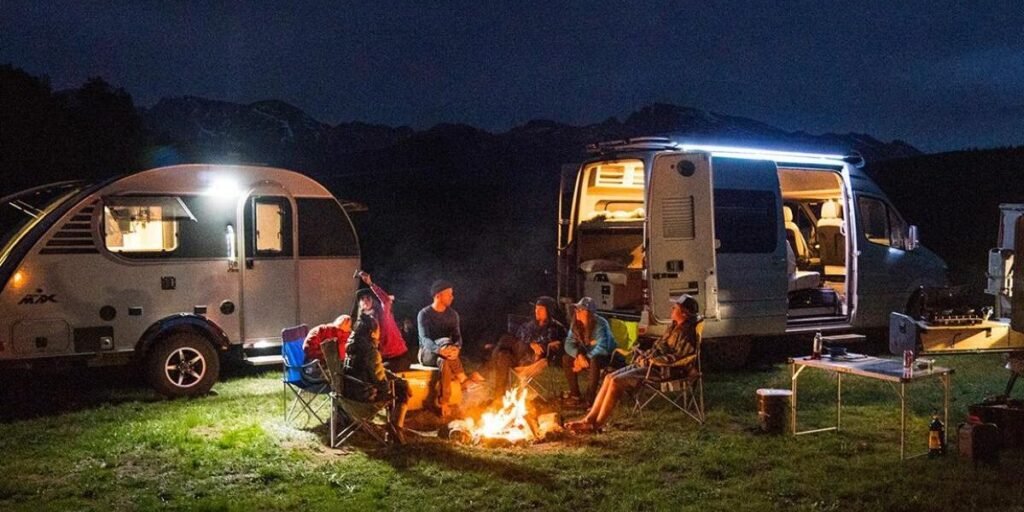
A beautiful hiking trail can turn into a serious challenge when the weather changes, a familiar route disappears, or an unexpected injury interrupts the journey. Spending time outdoors brings a sense of freedom that is difficult to replicate elsewhere, but it also requires preparation for situations that do not always go according to plan. Knowing how to respond calmly when conditions deteriorate can make the difference between a manageable setback and a dangerous emergency.
Over the years, I have come to appreciate that outdoor confidence should never depend entirely on having the latest equipment or a perfectly planned itinerary. Gear can break, batteries can run out, and even experienced hikers can make mistakes when they are tired or distracted. The most reliable preparation is developing practical abilities that help you protect yourself, make sensible decisions, and respond effectively when something unexpected happens.
These 12 essential survival skills every outdoor enthusiast should know provide a foundation for safer adventures, whether you enjoy weekend camping, mountain hiking, wilderness exploration, or extended trips away from developed areas. You do not need to become an expert in every discipline overnight, but practicing the basics before you need them can significantly improve your readiness.
1. Navigation Without Relying Entirely on Your Phone
Digital navigation has made exploring unfamiliar places considerably easier, and I rarely see a reason to ignore its benefits. A smartphone with downloaded maps can help you follow trails, estimate distances, and identify nearby landmarks. However, depending exclusively on a phone creates a vulnerability because batteries can fail, devices can become damaged, and cellular coverage is often unreliable in remote areas.
I recommend learning how to use a physical map and compass alongside digital navigation tools. Start by identifying your location, recognizing prominent terrain features, and understanding how map symbols relate to the landscape around you. Practice orienting a map, following a bearing, and identifying alternative routes before attempting more demanding journeys.
Navigation is also about making good decisions rather than simply knowing which direction to walk. Check your position regularly, pay attention to trail junctions, and turn back if the route becomes uncertain rather than continuing in the hope that things will improve. Before leaving home, download offline maps, share your itinerary with someone you trust, and establish a clear plan for what to do if you become lost.
2. Finding and Treating Drinking Water
Water is one of the first priorities in a survival situation because dehydration can impair physical performance, concentration, and decision-making. Outdoor enthusiasts sometimes assume that a clear stream or mountain spring is automatically safe to drink from, but appearance alone cannot establish whether water contains harmful microorganisms. Contamination may be invisible, making untreated natural water an unnecessary risk.
The safest approach is to plan your water supply before leaving and identify reliable opportunities to replenish it along your route. Carry enough water for the expected conditions, taking account of temperature, exertion, trip duration, and the availability of dependable sources. If you need to collect water outdoors, use an appropriate treatment method, such as a suitable filter, disinfectant, or boiling, according to the manufacturer’s instructions and local guidance.
It is equally important to understand that different treatment methods have different limitations. Some filters remove many parasites and bacteria but may not remove viruses or dissolved chemicals, while boiling does not eliminate every possible chemical contaminant. Learn what hazards are relevant to your destination, keep clean water separate from untreated water, and avoid relying on unfamiliar sources without a realistic treatment plan.
3. Building an Emergency Shelter
Shelter becomes a priority when weather conditions expose you to cold, wind, rain, or intense sun. Even a relatively mild environment can become dangerous if you are wet, exhausted, or unable to move to a safer location. Knowing how to protect yourself from the elements gives you more options when reaching your intended destination is no longer practical.
I recommend carrying an emergency shelter appropriate to your activity rather than assuming you will always have enough time and materials to construct one from scratch. A lightweight bivy, emergency shelter, or suitable tarp can provide valuable protection when used correctly. Practice setting it up in safe conditions so you know how to secure it, position it away from hazards, and make the best use of available natural shelter without damaging the environment.
If you must remain outdoors unexpectedly, prioritize a location that offers protection from wind and precipitation without exposing you to falling branches, rockfall, flooding, or other hazards. Insulate yourself from the ground with suitable materials, keep your clothing as dry as possible, and avoid locations where water may collect. Remember that an improvised shelter has limitations, so seek a safer established shelter whenever conditions or your physical state make remaining outside dangerous.
4. Making Fire Safely and Responsibly
Fire can provide warmth, support cooking, and offer a useful source of light in certain outdoor situations. However, it is not always necessary, and attempting to start one under poor conditions can consume valuable energy while increasing the risk of injury or an uncontrolled wildfire. The ability to assess whether a fire is appropriate is just as important as knowing how to manage one.
Before attempting to light a fire, check local regulations, fire bans, weather conditions, and the availability of a designated fire area. In places where fires are permitted, use established fire rings or other approved facilities, keep the fire small, and maintain a safe distance from tents, dry vegetation, and combustible equipment. Carry suitable ignition equipment and know how to extinguish a fire completely according to local guidance.
Practice basic fire management in a controlled setting before relying on it during a trip. Understand how wind, moisture, and available fuel affect a fire, and never leave flames or hot embers unattended. A camping stove may be a more practical option for cooking, while a properly rated sleeping system and suitable clothing are generally safer ways to manage cold than relying on an open fire for overnight warmth.
5. Recognizing and Responding to Hypothermia
Hypothermia occurs when the body loses heat faster than it can produce it, causing its core temperature to fall to a dangerous level. It can develop in cold weather, but wet clothing, wind, exhaustion, and prolonged exposure can make it a risk even when temperatures are above freezing. Recognizing the warning signs early is an important survival skill because a person’s judgment may deteriorate as the condition progresses.
Common signs include shivering, unusual fatigue, poor coordination, confusion, and difficulty performing familiar tasks. As hypothermia becomes more severe, shivering may decrease or stop, and the person may become increasingly drowsy or unresponsive. Never assume that someone is safe simply because they are still able to speak or walk.
If you suspect hypothermia, seek emergency assistance and move the person to a sheltered location if it is safe to do so. Remove wet clothing when practical, insulate the person from the ground, and warm the center of the body with dry layers and appropriate insulation. Handle a severely hypothermic person gently, do not give food or drink to someone who is confused or unable to swallow safely, and follow emergency medical guidance rather than attempting aggressive heating methods.
6. Administering Basic First Aid
An injury that would be relatively minor at home can become more complicated when you are several hours from medical assistance. A blister can make walking difficult, a deep cut can cause significant blood loss, and a sprained ankle can prevent someone from returning to the trail independently. Basic first-aid knowledge helps you respond methodically while arranging further care when necessary.
I recommend taking a recognized first-aid course that includes outdoor scenarios and practicing the skills regularly. Learn how to assess the scene for danger, check responsiveness and breathing, control serious bleeding, clean and dress minor wounds, and recognize signs that require urgent medical attention. Carry a first-aid kit suited to your trip, and make sure you know how to use the supplies rather than treating the kit itself as a substitute for training.
A good response begins with protecting yourself and the injured person from additional harm. Avoid moving someone with a suspected serious spinal injury unless an immediate danger makes movement necessary, and do not encourage an injured hiker to continue simply because the destination seems close. Contact emergency services when indicated, provide clear information about your location, and follow the instructions of trained responders.
7. Signaling for Help in an Emergency
Being able to attract attention can be crucial when you are lost, injured, or unable to reach a safe destination independently. A person may be relatively close to a trail or road but remain unseen because of dense vegetation, difficult terrain, or poor visibility. Effective signaling makes it easier for rescuers or nearby people to recognize that assistance is needed.
Carry signaling equipment appropriate to your environment, such as a whistle, headlamp, bright-colored fabric, or a satellite communication device for remote trips. Learn the emergency functions of your equipment before departure, and understand whether a device can send messages, share your location, or contact emergency responders without cellular service. Keep essential items accessible rather than buried at the bottom of a backpack.
If you need to signal, use methods that are visible or audible from a distance and conserve your energy whenever possible. A whistle generally requires less effort than shouting repeatedly, while a light can help rescuers identify your position after dark. If you have a satellite messenger or personal locator beacon, follow its instructions and use the appropriate emergency function when the situation warrants it; do not assume that every device provides the same communication capabilities.
8. Managing Food and Energy
Outdoor emergencies often become harder to manage when people are hungry, dehydrated, or physically exhausted. A demanding hike can use more energy than expected, particularly when the terrain is steep or the weather forces you to move slowly. Planning your food supply helps maintain performance and gives you a reserve if the trip lasts longer than anticipated.
Pack meals and snacks that suit the duration and intensity of your activity. Foods such as nuts, dried fruit, crackers, energy bars, and simple meals can provide convenient sources of energy without requiring elaborate preparation. Consider dietary needs, food safety, storage requirements, and whether you will need additional fuel or equipment to prepare your meals.
Energy management also means recognizing when to slow down. Take breaks before exhaustion becomes overwhelming, adjust your pace to the least experienced member of the group, and avoid pushing onward merely to meet an arbitrary schedule. If you become stranded, ration your effort intelligently and prioritize safe access to water, shelter, communication, and medical assistance rather than undertaking unnecessary physical tasks.
9. Reading Weather and Recognizing Environmental Hazards
Weather can change rapidly in exposed landscapes, and conditions in the nearest town may not reflect what is happening on a mountain, in a forest, or along a remote coastline. Strong winds, thunderstorms, flash floods, extreme heat, and falling temperatures can turn an ordinary outing into a serious challenge. Learning to recognize environmental hazards helps you respond before the situation becomes difficult to control.
Check reliable forecasts before departure and pay particular attention to hazards relevant to your route. Watch for developing storm clouds, sudden changes in wind, rising water levels, and signs that temperatures are dropping faster than expected. In mountainous areas, remember that exposed ridges, steep slopes, and narrow valleys can create additional risks during storms or heavy precipitation.
The most important skill is knowing when to change your plans. Turn around before a trail becomes dangerous, avoid crossing floodwater, and seek appropriate shelter when severe weather approaches. Do not shelter beneath isolated trees during thunderstorms or remain on exposed ridgelines, and follow local emergency guidance when conditions threaten your safety.
10. Staying Calm and Making Decisions Under Pressure
Fear is a natural response to uncertainty, especially when you realize that you are lost or that your plans have gone wrong. Panic, however, can encourage rushed decisions, unnecessary movement, and the abandonment of useful equipment. Learning to pause and assess the situation gives you a better chance of responding to the actual problem rather than reacting to fear alone.
One useful technique is to stop moving when you realize you may be lost, provided your current location is safe. Take a few deliberate breaths, check your physical condition, assess the weather, and review the information available to you. Think through your immediate priorities and avoid making a major decision until you have considered the risks and alternatives.
A simple framework can help organize your thinking: protect yourself from immediate danger, assess injuries and environmental conditions, establish your location as accurately as possible, and determine how to obtain help. The right response will depend on the situation, so there is no single rule that applies to every emergency. Practice making decisions during routine outings, because calm habits developed before a crisis are easier to use when pressure rises.
11. Tying Useful Knots and Securing Equipment
Knot-tying may seem like a specialized skill, but it has practical applications in camping, hiking, and emergency preparation. A properly tied knot can secure a tarp, tighten a tent guyline, attach equipment, or help organize a simple shelter. Poorly secured equipment, on the other hand, can fail when exposed to wind or changing loads.
Start by learning a small number of useful knots and understanding what each one is designed to do. A bowline can form a fixed loop, a taut-line hitch can help adjust tension in a suitable guyline, and a clove hitch can be useful for certain temporary attachments. Practice tying and checking these knots until you can do so reliably without having to consult instructions each time.
Remember that knots are not interchangeable, and no knot should be treated as automatically safe for every purpose. Ordinary camping cord is not a substitute for certified climbing equipment, and improvised rope systems should never be used to support a person’s weight unless the entire system is specifically designed and appropriate for that purpose. Inspect cords and attachment points for damage, use suitable materials, and learn the limits of your equipment.
12. Knowing When to Turn Back or Call for Help
One of the most valuable outdoor skills is recognizing that completing a planned route is less important than returning safely. People sometimes continue despite deteriorating weather, injuries, fading daylight, or exhaustion because they have already invested time and effort in the journey. That determination can become dangerous when the conditions no longer support a safe return.
Before leaving, establish a realistic turnaround time and identify circumstances that would require you to abandon the plan. These might include worsening weather, an unexpectedly slow pace, a shortage of water, an injury, or uncertainty about the route. Share your itinerary with someone you trust and agree on when they should raise the alarm if you fail to return or check in.
Calling for help is not a failure of preparation. If someone has a serious injury, symptoms of hypothermia, heat illness, or another potentially life-threatening condition, contact emergency services as soon as possible. If you are stranded in a dangerous situation, use your communication equipment appropriately, provide accurate location information, and avoid taking additional risks in an attempt to solve everything alone.
How to Practice These Survival Skills Before Your Next Adventure
Reading about survival techniques is a useful starting point, but practical experience is what makes the information easier to apply under pressure. I recommend building your abilities gradually through manageable activities rather than trying to master every skill during a demanding wilderness trip. Begin with navigation practice on familiar trails, basic first-aid training, and learning how your shelter and water-treatment equipment work.
As your confidence grows, practice setting up an emergency shelter, reading maps, using signaling equipment, and managing your food and water supplies. Take a wilderness first-aid course if you regularly visit remote areas, and consider training with an experienced instructor when learning skills that carry significant risks. Make sure your practice sessions take place in controlled conditions where mistakes can be corrected without putting anyone in danger.
It is also worth reviewing your preparation after every trip. Write down what worked, what equipment was difficult to use, and which situations caught you by surprise. Update your checklist, replace damaged supplies, and address gaps in your knowledge before the next outing rather than waiting until an emergency reveals them.
Final Thoughts
The outdoors rewards curiosity, patience, and preparation, but it also demands respect for conditions that can change without warning. Developing these 12 essential survival skills every outdoor enthusiast should know can help you navigate unfamiliar terrain, manage basic needs, respond to injuries, and make better decisions when a trip becomes more difficult than expected. The goal is not to eliminate every risk but to become better prepared to recognize and manage the risks that remain.
I believe the best outdoor enthusiasts are not necessarily the people with the most expensive equipment or the longest list of adventures. They are the people who understand their limitations, prepare carefully, look out for others, and know when a change of plan is the sensible choice. These qualities matter just as much as technical skills when conditions become challenging.
Start with the fundamentals, practice regularly, and build your confidence through experience. Whether you are planning a weekend camping trip or a longer journey into remote country, the time spent developing practical survival abilities is an investment in your safety and the safety of the people who travel with you. With preparation, sound judgment, and a willingness to keep learning, you can enjoy the outdoors with greater confidence and a clearer understanding of what to do when things do not go according to plan.