
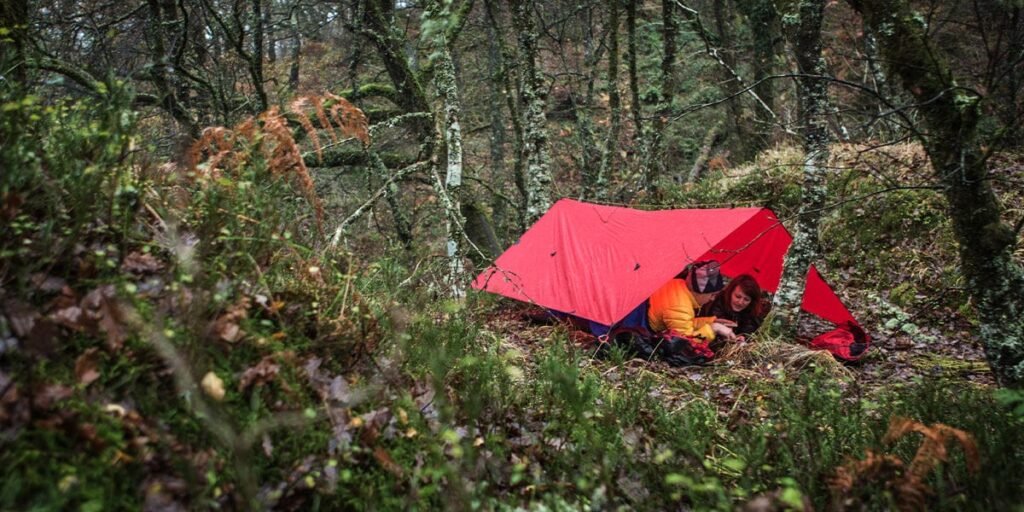
Rain can change the character of a camping trip in a matter of minutes. A quiet woodland campsite may become a maze of dripping branches, muddy paths, and pooling water, while a tent that looked perfectly comfortable under a clear sky suddenly feels like the least convenient place to spend the night. The difference between a memorable wet-weather adventure and a miserable experience often comes down to preparation, campsite selection, and knowing when conditions have become too dangerous to continue.
I have come to appreciate that wet-weather camping rewards a different kind of planning. Staying dry matters, but so does managing condensation, protecting sleeping equipment, keeping food accessible, and maintaining enough warmth to make sensible decisions. With the right approach, a rainy weekend outdoors can still be rewarding, provided you respect the weather, understand your equipment, and remain willing to change your plans when the conditions demand it.
Check the Forecast Before You Pack
My preparation for a rainy camping trip begins long before I pull the tent out of storage. I check the forecast for the specific area where I intend to camp, paying attention not only to the chance of rain but also to its expected intensity, duration, wind speed, and possible thunderstorms. A brief shower is a very different challenge from several hours of sustained rainfall, particularly when the ground is already saturated or the campsite sits near a river.
It is worth checking more than one reliable weather source when conditions are unsettled. Mountain weather, coastal conditions, and forecasts for remote valleys can change quickly, and the weather at the nearest town may not reflect what is happening at the campsite. I also look for official weather alerts and local guidance about flooding, strong winds, landslides, or other hazards that could affect the route.
Most importantly, I decide in advance what conditions would make me postpone the trip or leave early. There is no shame in changing plans because heavy rain is expected to combine with dangerous winds, flash-flood risk, or severe thunderstorms. Camping should be an enjoyable challenge, not a test of how long you can ignore a worsening forecast.
Choose a Campsite That Can Handle the Water
The location of your tent matters enormously when the rain begins. I look for ground that is relatively level, firm, and naturally well drained, rather than a shallow depression where water can collect. A spot that appears comfortable in dry weather may become a puddle after an hour of sustained rain, so it helps to imagine where water would flow if the surrounding ground became saturated.
Avoid setting up in dry creek beds, drainage channels, ravines, and other low-lying areas that could flood suddenly. A stream that looks harmless during the afternoon can rise rapidly after heavy rainfall upstream, even when the sky above your campsite appears relatively clear. Keep a generous distance from riverbanks and other watercourses, and follow the instructions of campsite staff or local authorities when flooding is possible.
Trees can provide some shelter from light rain, but they also introduce risks during storms. Dead branches, unstable trees, and exposed limbs can fall in strong winds, while isolated trees may be dangerous places to shelter during lightning. I prefer a location that offers sensible drainage and enough open space to pitch safely without placing the tent directly beneath hazardous branches. At established campsites, designated pitches are usually the best starting point, provided local warnings do not indicate that the area is unsafe.
Use a Tent Designed for Wet Conditions
Not all tents handle prolonged rainfall equally well. A tent suitable for a warm, dry summer weekend may struggle when rain continues through the night, especially if the fabric is worn, seams are damaged, or the rainfly does not cover the sleeping area properly. Before a trip, I inspect the tent for small tears, loose stitching, damaged zippers, worn waterproof coatings, and any missing components that could compromise protection.
A full-coverage rainfly is particularly useful because it helps direct water away from the inner tent. Check that the fly is fitted correctly and that the doors, vents, and seams are designed to resist rain driven by wind. A tent’s waterproof rating can provide useful information, but it does not tell the whole story; design, construction, setup, maintenance, and exposure to wind all influence how well it performs in real conditions.
I also recommend testing unfamiliar equipment before relying on it in a storm. Pitch the tent at home or during a short local outing, inspect the seams, and learn how the guylines and stakes work. If the tent is old, consider whether it needs appropriate seam sealing or a compatible waterproofing treatment. Never assume that a tent will remain watertight simply because it was advertised as waterproof when new.
Pitch the Tent Before the Rain Arrives
Setting up a tent in heavy rain is possible, but it is much easier when the site is already prepared and the equipment is familiar. If rain is expected, I try to arrive with enough daylight to assess the ground, organize the gear, and secure the shelter before conditions deteriorate. Rushing through a complicated setup while everything gets soaked can lead to loose stakes, poorly tensioned fabric, and preventable leaks.
Choose a setup method that keeps the inner tent as dry as possible. Some tents allow the rainfly to be pitched first or use an integrated system that provides weather protection during setup, while others require the inner tent to be exposed briefly. If your tent offers a specific wet-weather pitching method, practice it beforehand and follow the manufacturer’s instructions. Keep the inner tent packed away until the last practical moment if that helps prevent rain from soaking the sleeping area.
Once the tent is standing, check the tension of the fly and guylines, making sure the fabric is secure without being overstretched. Loose fabric can flap in the wind and allow rain to collect, while poorly positioned guylines may leave the fly touching the inner tent. Secure the stakes appropriately for the soil, and inspect the shelter again after the first period of heavy rain because saturated ground can loosen anchors.
Keep Water Away From Your Sleeping Area
One of the most frustrating wet-weather camping problems is discovering moisture beneath your sleeping bag. Water can enter through a damaged floor, travel beneath the tent from surrounding ground, or collect where the campsite naturally channels runoff. I pay close attention to the ground before pitching and avoid places where rainwater is likely to flow toward the tent.
A suitable groundsheet or footprint can help protect the tent floor from abrasion and moisture, but it needs to be sized and positioned correctly. If the groundsheet extends beyond the tent floor, rain may run off the fly and collect on top of it, creating a shallow pool underneath the shelter. Use a footprint designed for your tent or position a compatible groundsheet so that its edges do not collect runoff.
It is also important to understand the limits of the tent floor. A waterproof floor cannot protect you indefinitely if water is flowing across the campsite or pooling under pressure. Do not dig trenches around a tent unless the campsite’s rules explicitly permit it and the practice is appropriate for the environment; trenching can damage the ground, disrupt drainage, and create other problems. The safer solution is to choose a better site before pitching and relocate if water begins accumulating around the shelter.
Manage Condensation Before It Becomes a Problem
Rain entering the tent is not the only source of moisture. Condensation forms when warm, humid air meets a cooler surface, and breathing, damp clothing, and wet equipment can all add moisture to the air inside a shelter. On a cold, rainy night, the inside of the rainfly may become covered with droplets that look alarmingly similar to a leak.
Good ventilation is one of the most effective ways to manage condensation. Use the tent’s vents as intended and maintain airflow without exposing the sleeping area unnecessarily to wind-driven rain. Many tents are designed to keep the inner tent separate from the outer fly, creating a small air gap that helps reduce moisture transfer. Make sure the fly is tensioned correctly so that it does not press against the inner fabric.
I also keep wet gear away from sleeping bags and spare clothing whenever possible. If the tent has a vestibule, use it to store muddy boots and damp outer layers while keeping the main sleeping area as clean and dry as possible. Avoid cooking inside a tent to reduce moisture buildup and prevent fire and carbon monoxide hazards. If condensation forms overnight, wipe down accessible surfaces with a small absorbent cloth when practical, and ventilate the tent whenever the weather permits.
Build a Reliable System for Keeping Clothes Dry
Dry clothing is more than a comfort issue; it helps preserve body heat and makes it easier to manage a long day in wet conditions. I separate clothes into two groups: items that may get wet during outdoor activities and a protected reserve intended for sleeping or emergencies. The reserve stays inside a waterproof bag or pack liner, rather than relying on a backpack’s fabric alone to keep everything dry.
A waterproof jacket and trousers can make a significant difference, but they need to suit the expected conditions. Lightweight rainwear may be comfortable for a short shower yet offer limited protection during prolonged rain and strong wind. Check the fit, closures, hood adjustment, and ventilation before leaving, and remember that no clothing system stays perfectly comfortable during every activity or weather condition.
Footwear deserves the same attention. Wet socks can contribute to blisters, discomfort, and skin damage, especially when you are walking for hours. Bring spare socks in a sealed bag, make sure your footwear suits the terrain, and change out of soaked clothing when you reach shelter. If your boots become wet, dry them gradually in a safe, ventilated area rather than placing them against an open flame or intense heat that could damage the materials.
Pack Your Gear in Waterproof Layers
A well-organized pack can save time and prevent a small weather problem from ruining important equipment. Even backpacks marketed as water resistant may allow moisture through seams, zippers, or fabric during sustained rain. I prefer to protect critical items individually, using a pack liner or waterproof bags to keep spare clothing, sleeping equipment, electronics, and first-aid supplies separated from wet gear.
Clear or differently colored bags can make it easier to identify what you need without opening every compartment. Keep essential items such as a headlamp, rain layer, map, and first-aid kit accessible rather than buried at the bottom of the pack. Store electronics in suitable waterproof protection, and consider keeping a backup battery or power bank in a separate protected pouch.
Avoid opening every bag whenever you need a small item, especially while rain is falling heavily. Organize equipment before leaving home so that you know where it belongs, then return items to the same places after use. At camp, establish a designated wet area near the entrance for muddy boots and rainwear, while keeping the sleeping space reserved for dry equipment and rest.
Cook Safely When the Weather Turns Wet
Hot food and drinks can be welcome comforts during a damp evening, but rain changes how you should plan and manage camp cooking. I choose meals that are simple to prepare, require little cleanup, and use ingredients that can be stored safely in the conditions. Instant meals, soups, oatmeal, and other straightforward options can reduce the amount of time spent handling food and equipment in the rain.
A sheltered cooking area can help, but never use a stove, barbecue, charcoal burner, or other combustion appliance inside a tent or an enclosed shelter. These devices can produce deadly carbon monoxide, and flames can ignite tent fabric or nearby equipment. Use a stove outdoors in a well-ventilated location, follow the manufacturer’s safety instructions, and maintain a safe distance from flammable materials and the tent itself.
Heavy rain can also affect fuel use, stability, and the safety of handling hot equipment. Place the stove on a stable, appropriate surface and protect it from the elements only in ways permitted by the manufacturer. Do not cook beneath a low tarp or other improvised enclosure if doing so could trap combustion gases or expose the shelter to flame. If conditions are too windy or hazardous for safe cooking, rely on food that can be eaten without heating rather than taking unnecessary risks.
Stay Warm and Recognize the Signs of Hypothermia
Cold rain can be more dangerous than many campers expect because wet clothing loses much of its insulating ability, especially when combined with wind. You do not need freezing temperatures to become dangerously chilled if you remain wet and exposed for long enough. I pay attention to how everyone in the group is feeling, not just to the temperature displayed on a weather app.
Layering gives you more control over warmth and moisture. A suitable base layer helps manage perspiration, an insulating layer provides warmth, and a protective outer layer limits exposure to rain and wind. Adjust these layers as activity levels change so that you do not become soaked in sweat while walking and then grow cold when you stop. Keep a dry set of clothing protected for rest periods and overnight use.
Recognize warning signs such as persistent shivering, unusual fatigue, confusion, slurred speech, poor coordination, or difficulty using your hands. These can indicate hypothermia, which requires prompt attention. Move the affected person out of the cold and wet conditions, remove wet clothing when practical, insulate them with dry layers and shelter, and seek emergency assistance. Handle a severely chilled person gently, and do not rely on a hot shower or alcohol as a remedy. If symptoms are serious, do not delay professional medical care.
Protect Electronics and Keep a Way to Navigate
Rain can make navigation harder just when visibility and familiar landmarks become less reliable. A phone with offline maps is useful, but it should not be your only means of finding your way. I carry a suitable map and compass for unfamiliar routes and make sure I know how to use them before setting out, rather than waiting until a storm makes the trail difficult to follow.
Keep phones, cameras, headlamps, and other electronics protected from moisture using suitable waterproof cases or dry bags. Water-resistant ratings do not guarantee protection against every type of exposure, especially when seals are worn or a device is submerged. Keep charging equipment dry, check battery levels before leaving, and avoid unnecessary screen use if you may need the phone for navigation or emergency communication later.
If visibility drops and you become unsure of your position, resist the urge to keep walking in the hope of finding the route. Stop somewhere safe, assess your location, check the map, and consider whether returning along a known path is safer than continuing. If conditions become dangerous or you cannot confidently navigate, contact emergency services where possible and follow their instructions. A small delay is preferable to becoming more deeply lost in worsening weather.
Know When Heavy Rain Means Leaving
Good preparation improves your chances of managing wet weather, but it cannot make every campsite safe. Heavy rain can trigger flash floods, destabilize slopes, cause trees to fall, and make trails or river crossings dangerous. If official warnings identify a serious hazard, follow the recommended action rather than treating the trip as a challenge to overcome.
Pay attention to changing conditions around the campsite. Rapidly rising water, new streams flowing through the area, cracking or shifting ground, falling branches, and strong gusts are all reasons to reassess your position. If a flood threat develops, move to higher ground promptly and avoid walking or driving through floodwater. Water can be deeper and faster than it appears, and even shallow moving water can knock a person off balance.
Thunderstorms require special caution as well. A tent is not a safe refuge from lightning, and an exposed ridge, isolated tree, or open field can increase danger. Follow local guidance for lightning safety and seek a substantial enclosed building or hard-topped vehicle if available. If the weather is deteriorating beyond what your equipment and experience can handle, pack only what you can safely manage and leave for a safer location when doing so will not increase your exposure.
Make Drying and Cleanup Part of the Plan
The work is not finished when the rain stops. Packing a wet tent into a storage bag and leaving it there can encourage mildew, unpleasant odors, and damage to the fabric or waterproof coatings. As soon as conditions allow, I spread out the tent, rainfly, groundsheet, and other damp equipment to dry thoroughly before storing them.
Clean muddy equipment according to the manufacturer’s care instructions, and inspect seams, zippers, stakes, poles, and guylines for damage. Remove dirt from zippers carefully and allow footwear to dry in a ventilated place away from excessive heat. Check that first-aid supplies and food packaging have not become wet or contaminated, and replace anything that is no longer safe to use.
I also take a few minutes to review the trip while the experience is fresh. Perhaps the campsite drained poorly, the rain jacket was uncomfortable, or the sleeping bag protection was not as reliable as expected. These observations can guide a small improvement before the next trip, often saving money by helping you fix a specific problem instead of buying a whole new set of equipment.
Build a Rainy-Day Camping Checklist
A checklist makes it easier to prepare without repeatedly packing and unpacking the same items. Before leaving, I confirm that the tent and rainfly are in good condition, the stakes and guylines are present, and the groundsheet is suitable for the shelter. I also check the forecast, review campsite restrictions, and identify a safer alternative if the weather becomes severe.
My clothing and sleep checklist includes a waterproof outer layer, appropriate insulating clothing, spare socks, a protected set of dry clothes, and a sleeping bag and sleeping pad suited to the expected temperatures. I pack waterproof protection for the sleeping system and electronics, plus a headlamp, first-aid supplies, food, water, and a safe cooking setup. Navigation tools and a way to communicate in an emergency are also essential, particularly when traveling away from established campsites.
Finally, I make sure the plan itself is realistic. Someone at home should know where I am going and when I expect to return, and I should have a clear idea of what conditions would make me cancel or leave. No checklist can eliminate every hazard, but it can reduce avoidable mistakes and leave more attention available for the decisions that matter when the weather changes.
Enjoy the Outdoors Without Fighting the Weather
Camping in heavy rain does not have to mean spending the entire trip cold, uncomfortable, and frustrated. With a suitable campsite, a reliable shelter, protected sleeping gear, dry clothing, and a sensible cooking and navigation plan, many wet-weather challenges become easier to manage. Preparation also helps you recognize the difference between ordinary discomfort and a situation that threatens your safety.
I have learned to treat rain as a condition to plan around rather than an inconvenience that can be ignored. The most effective strategy is rarely a single expensive product; it is a system in which the campsite, shelter, clothing, storage, and decisions all work together. Small details, such as keeping spare socks dry or pitching before the rain arrives, can have an outsized effect on how the trip feels.
The complete guide to camping in heavy rain comes down to three principles: prepare before the weather turns, keep your essential equipment dry, and remain alert to changing conditions. Bring the right gear, practice using it, and give yourself permission to change plans when safety requires it. A rainy adventure can still deliver quiet mornings, dramatic landscapes, and the satisfaction of being outdoors, especially when you are prepared to meet the weather on its own terms.