
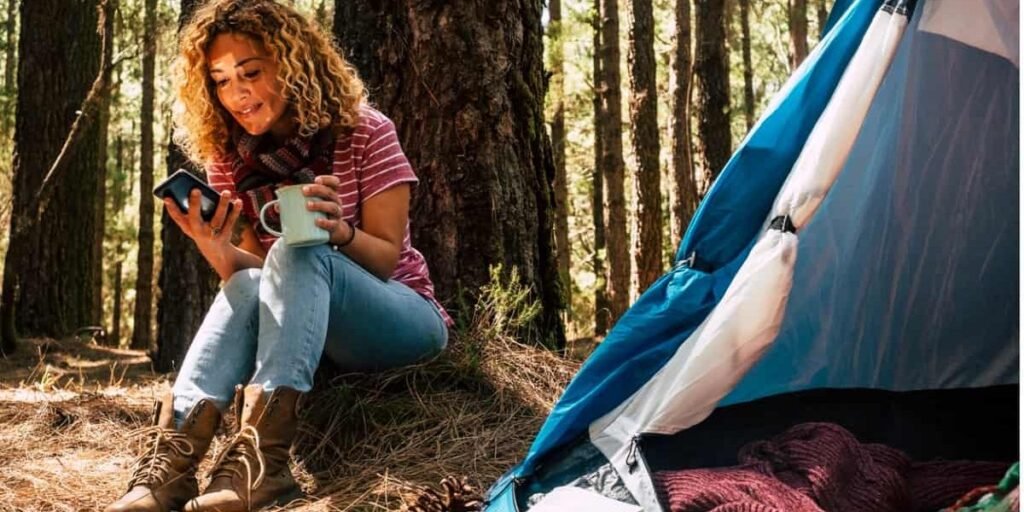
A weekend outdoors can be one of the most rewarding ways to escape a busy schedule, reconnect with nature, and spend time away from screens. A quiet campsite, a warm meal cooked over a stove, and the sound of wind moving through the trees have a way of making ordinary things feel special. However, the difference between a memorable outdoor adventure and a miserable night in the wilderness often comes down to a handful of decisions made before leaving home.
Camping has a learning curve, and most people discover that curve through experience. A forgotten flashlight, a sleeping bag that cannot handle the temperature, or a tent pitched in the wrong place can quickly turn an exciting trip into an uncomfortable one. Fortunately, most beginner camping mistakes are easy to avoid with a little preparation, realistic expectations, and a willingness to learn from people who have spent years outdoors.
1. Packing Too Much Gear
New campers often assume that more equipment automatically means a safer, more comfortable trip. I understand the temptation because having the right tool for a particular situation can make a real difference outdoors. The problem is that packing for every imaginable emergency can leave you carrying equipment you never use while making the journey unnecessarily complicated.
Before packing, I recommend separating your gear into essentials, useful extras, and items that can stay at home. Shelter, suitable clothing, sleeping equipment, food, water, lighting, and a first-aid kit deserve priority, while specialized gadgets can wait until you have more experience. A simple checklist also helps prevent the common mistake of bringing three versions of the same item while forgetting something genuinely important.
Your destination and the length of your trip should determine what goes into your bag. A developed campground with drinking water, toilets, and accessible parking requires a different setup from a remote backcountry site. Start with the basics, take notes about what you actually use, and refine your packing list after each trip.
2. Buying a Tent Without Considering the Weather
A tent that looks impressive in a product photograph is not necessarily the right shelter for your camping plans. Beginners sometimes focus entirely on price, appearance, or advertised sleeping capacity without checking how the tent performs in rain, wind, or warm weather. That oversight can become uncomfortable very quickly when conditions change after sunset.
I recommend selecting a tent according to the climate, terrain, season, and type of camping you intend to do. A three-season tent is generally suitable for many spring, summer, and autumn trips, but its capabilities vary by design, and it is not automatically appropriate for severe storms or winter conditions. Pay attention to ventilation, waterproof construction, sturdy poles, a suitable rainfly, and a footprint or groundsheet when recommended by the manufacturer.
Practice setting up the tent at home before taking it outdoors. Check that all the components are present, learn how the poles connect, and inspect the seams and zippers. A practice run gives you the confidence to assemble your shelter efficiently when daylight is fading or rain is approaching.
3. Pitching the Tent in the Wrong Place
Finding a beautiful spot can be exciting, but appearance should never be the only consideration when selecting a campsite. A level patch beneath a tree might look ideal until falling branches, dripping water, or a sudden change in wind makes it less attractive. Similarly, a low-lying area may seem convenient until rainwater begins collecting around the tent.
Look for level or gently sloping ground with good drainage, taking care to avoid depressions where water can accumulate. Check for loose branches, unstable trees, rockfall hazards, and other potential dangers before settling in. In established campgrounds, use designated sites where required and follow local restrictions concerning fires, vegetation, and sensitive habitats.
Your surroundings also influence how comfortably you sleep. Avoid pitching directly on sharp stones, roots, or uneven ground that could make the night unpleasant, and keep a safe distance from rivers and streams that could rise after heavy rain. If strong winds or thunderstorms are forecast, reconsider your plans rather than relying on a tent to protect you from dangerous conditions.
4. Underestimating Nighttime Temperatures
Warm afternoons can create a false sense of security, particularly for people camping in mountains, forests, deserts, or other places where temperatures fluctuate considerably. I have found that it is easy to pack clothing for the weather experienced during the day and overlook the conditions that arrive after dark. A cold night can make even a beautiful campsite difficult to enjoy.
Check the forecast for your actual camping location rather than relying solely on the weather in the nearest town. Elevation, wind exposure, cloud cover, and the season can all influence nighttime temperatures, and forecasts may not capture every change in local conditions. Pack insulating layers, dry sleepwear, warm socks, and appropriate protection against wind and rain.
Your sleeping bag and sleeping pad deserve particular attention because both affect nighttime comfort. Compare the sleeping bag’s temperature rating with the expected conditions, remembering that standardized ratings are not guarantees of personal comfort. An insulated sleeping pad also reduces heat loss to the ground, while a dry base layer helps you remain comfortable throughout the night.
5. Forgetting to Test Equipment Before Departure
New gear can create a sense of preparedness, but buying equipment and knowing how to use it are two different things. A brand-new camping stove may require an unfamiliar fuel canister, a headlamp may need batteries, and a water filter may come with instructions that are easy to overlook. Discovering these problems at home is inconvenient, but discovering them in a remote campsite can be much more serious.
Set aside time before departure to inspect and test every important piece of equipment. Assemble your tent, operate your stove according to its instructions, charge your power bank, check your flashlight, and make sure your water treatment equipment is complete. If anything is damaged, missing, or difficult to operate, resolve the problem before leaving.
This habit also helps you identify equipment that does not suit your needs. You may discover that your backpack is uncomfortable when fully loaded or that your sleeping pad loses air overnight. Making these adjustments at home saves time and reduces the likelihood of preventable problems during the trip.
6. Bringing Too Little Water
Water planning is one of the most important responsibilities of any camper. Beginners sometimes assume that a nearby stream, lake, or river will provide a convenient drinking source, but natural water can contain disease-causing microorganisms even when it looks perfectly clean. Relying on an untested source without suitable treatment can turn a pleasant trip into a medical emergency.
Calculate how much water you will need for drinking, cooking, and basic hygiene, then account for the duration of the trip and the conditions you expect. Heat, strenuous activity, altitude, and individual needs can substantially increase requirements, so a single fixed quantity will not suit everyone. Check whether your campsite provides potable water and plan how you will replenish your supply if it does not.
For backcountry camping, carry an appropriate treatment method, such as a suitable filter, disinfectant, or boiling equipment, depending on the hazards present. Different methods address different contaminants, so follow the manufacturer’s directions and local guidance rather than assuming that one treatment removes everything. Always have a backup plan for water shortages, especially when camping far from reliable sources.
7. Planning Meals That Are Too Complicated
Food is one of the pleasures of camping, but elaborate recipes can quickly become a burden when you are working with limited equipment and space. Beginners sometimes plan meals as though they were cooking in a fully equipped kitchen, forgetting that preparation, refrigeration, cleanup, and fuel consumption all become more demanding outdoors. A complicated dinner can leave you spending the evening washing dishes instead of enjoying the campsite.
Start with meals that require few ingredients and minimal preparation. Oatmeal, sandwiches, pasta, rice dishes, canned beans, and simple one-pot meals can provide satisfying options without requiring a large collection of cookware. Prepare some ingredients at home, measure portions in advance, and bring only the utensils necessary for the meals you have planned.
Food safety matters just as much as convenience. Keep perishable ingredients at safe temperatures in a properly managed cooler, prevent raw meat from contaminating other foods, and wash your hands before handling meals. Store food securely according to local wildlife guidance, and never leave food scraps around the campsite because they can attract animals and encourage dangerous encounters.
8. Wearing the Wrong Clothing
Fashion is rarely the deciding factor in whether a camping trip succeeds, yet clothing mistakes can have a substantial effect on comfort and safety. Ordinary cotton clothing, for example, can retain moisture and dry slowly, leaving you cold when temperatures drop. Wearing heavy clothing that cannot be adjusted can also make hiking uncomfortable when your body temperature changes throughout the day.
A practical clothing system relies on layers that serve different purposes. A moisture-managing base layer helps move sweat away from your skin, an insulating layer retains warmth, and an outer shell provides protection from wind and rain. Choose fabrics according to the conditions, your activity level, and how quickly you can dry your clothing if it becomes wet.
Pack spare socks and a complete dry layer for sleeping, and bring footwear suitable for the terrain. Waterproof boots are useful in some environments, while breathable hiking shoes may be more comfortable in others. Whatever you choose, make sure your footwear fits properly and has been tested before a long hike to reduce the risk of blisters.
9. Ignoring Weather Forecasts and Local Conditions
A forecast is not merely a suggestion about whether you should pack a rain jacket. It is part of the information you need to decide where to camp, what equipment to bring, and whether a planned activity is sensible. Beginners sometimes check the weather once before departure and assume the conditions will remain unchanged for the entire trip.
Check the forecast before leaving and review updates whenever you have access to reliable information. Pay attention to thunderstorms, high winds, heavy rain, extreme temperatures, and other hazards relevant to your destination. Learn how local terrain can amplify risks, particularly in exposed mountain areas, flood-prone valleys, and places where temperatures change rapidly.
Preparation also means knowing when to cancel or change your plans. If severe weather is expected, postponing the trip may be the safest decision, even if you have already packed everything. During a storm, avoid exposed ridgelines, isolated trees, and flood channels, and follow official safety guidance rather than attempting to wait out dangerous conditions in an unsuitable location.
10. Neglecting Navigation and Communication
Modern phones make navigation remarkably convenient, but relying exclusively on mobile data or a fully charged smartphone can leave you vulnerable outdoors. Coverage may disappear in remote areas, batteries drain faster in cold weather, and a damaged device can remove access to information you assumed would always be available. These limitations matter even on trips that appear relatively straightforward.
Download offline maps before departure and learn the route rather than depending entirely on spoken directions. For hiking or remote camping, consider carrying a physical map and compass and developing the skills to use them. Tell a trusted person where you are going, when you expect to return, and what they should do if you fail to check in.
Communication equipment should match the remoteness and risk of the trip. A power bank can help keep your phone charged, while a satellite messenger or personal locator beacon may be appropriate in areas without reliable cellular service. Understand the limitations of your equipment and establish a realistic emergency plan before heading out.
11. Arriving at the Campsite Too Late
Arriving after sunset can make even simple tasks unnecessarily difficult. Setting up a tent, locating the cooking area, organizing equipment, and identifying hazards all become harder when visibility is limited. A campsite that would have been easy to navigate in daylight can suddenly feel confusing when you are tired and unfamiliar with the surroundings.
Whenever possible, plan to arrive with enough daylight to establish camp without rushing. Allow extra time for traffic, navigation errors, unexpected stops, and the possibility that your preferred campsite may be occupied. If you are hiking to your destination, calculate the route realistically and account for breaks, terrain, weather, and the amount of daylight available.
A headlamp should still be part of your essential equipment because delays and emergencies can happen despite careful planning. Keep spare batteries or a charged backup light available, and make sure you know where your lighting is stored. Good timing reduces stress, but dependable lighting provides an important safety net.
12. Making Campfires Without Considering Safety
A campfire can be an enjoyable part of the outdoor experience, offering warmth and a place to gather after dinner. However, beginners sometimes focus on the atmosphere without considering whether fires are permitted, whether conditions are safe, or whether they have the equipment to extinguish one completely. A small fire can spread rapidly in dry vegetation or strong winds.
Check local regulations, fire bans, and campsite rules before lighting anything. Where fires are permitted, use an established fire ring or designated fire area, keep the fire small, and maintain a safe distance from tents, dry vegetation, and other combustible materials. Never leave a fire unattended, and keep an appropriate means of extinguishing it readily available.
Extinguish the fire completely before leaving the site or going to sleep, following local fire-safety guidance. Do not assume that a fire is safe simply because the flames have disappeared; embers can remain hot enough to reignite. During periods of high fire danger, using a suitable camping stove or skipping the fire entirely is often the more responsible option.
13. Forgetting About Insects and Other Wildlife
Wildlife encounters are among the memorable parts of spending time outdoors, but animals and insects can also create genuine problems when campers are unprepared. Mosquitoes, ticks, and other biting insects can make it difficult to sleep or enjoy a hike, while food left out overnight may attract larger animals. The best approach is to enjoy wildlife from a respectful distance rather than attempting to interact with it.
Research the animals and insects common to your destination before travelling. Bring an appropriate insect repellent, wear suitable clothing, and check yourself for ticks after spending time in areas where they are common. Use mosquito nets or tent screens where necessary, and follow local advice about venomous animals and other environmental hazards.
Food storage deserves special attention because wildlife can become accustomed to human food when campsites are poorly managed. Store food, rubbish, and scented items according to local regulations, using designated lockers, approved bear-resistant containers, or other recommended methods where appropriate. Never feed wild animals, approach them for photographs, or place yourself between an animal and its escape route.
14. Leaving No Trace
Camping responsibly involves more than packing your equipment and leaving the campsite at the end of the weekend. The choices you make around waste, water, vegetation, and wildlife can affect the environment long after you have gone home. Beginners may not realize that seemingly harmless actions, such as leaving fruit peels behind or collecting branches from living trees, can damage natural areas.
Follow Leave No Trace principles by planning ahead, using durable surfaces, disposing of waste properly, and respecting wildlife. Carry rubbish out when suitable disposal facilities are unavailable, and use established paths and campsites where required. Avoid disturbing plants, rocks, historical features, and other natural or cultural resources simply to make your campsite more comfortable.
Sanitation requires particular care in remote locations. Use designated toilets whenever possible, and follow local requirements for human waste and wastewater disposal when facilities are absent. Keep soap, food residue, and contaminated water away from lakes and streams, and remember that biodegradable products can still harm aquatic environments if used improperly.
15. Trying to Do Too Much on the First Trip
Excitement can make a beginner ambitious, especially after spending time watching experienced hikers and campers online. It is tempting to combine a long hike, an unfamiliar campsite, complicated meals, and several outdoor activities into one weekend. Unfortunately, trying to do everything at once can leave you exhausted before you have had the chance to appreciate the experience.
Start with a manageable trip close to home or at a well-equipped campground. Choose a destination with accessible facilities, a straightforward route, and enough flexibility to change your plans if something goes wrong. A short overnight stay allows you to learn how your equipment works, identify gaps in your preparation, and develop confidence without taking on unnecessary risks.
Treat each outing as an opportunity to improve rather than a test of your outdoor abilities. After returning home, make a note of what worked, what you forgot, what you never used, and what you would change next time. Gradually increase the difficulty of your trips as your skills, fitness, and confidence develop.
Final Thoughts: Make Your First Camping Trip a Good One
The most useful lesson I have learned about camping is that preparation creates the freedom to enjoy the outdoors. When your shelter is dependable, your food is organized, your clothing suits the weather, and you have a realistic plan for emergencies, it becomes easier to appreciate the small things that make time outside worthwhile. You can spend less energy worrying about preventable problems and more time enjoying the landscape around you.
The 15 camping mistakes beginners make are not reasons to avoid camping; they are reminders that outdoor skills develop through preparation and practice. Nobody needs to master every aspect of camping before spending a night under the stars, but everyone benefits from taking safety, comfort, and environmental responsibility seriously. Start small, learn from each experience, and make adjustments as you discover what works best for you.
Most importantly, leave room for the unexpected pleasures of being outdoors. You might discover a walking trail you want to explore again, enjoy a meal that tastes better than anything you cook at home, or spend an evening watching the sky change colors as the sun sets. With sensible preparation and a willingness to learn, your first camping trip can become the beginning of an outdoor habit that stays with you for years.