
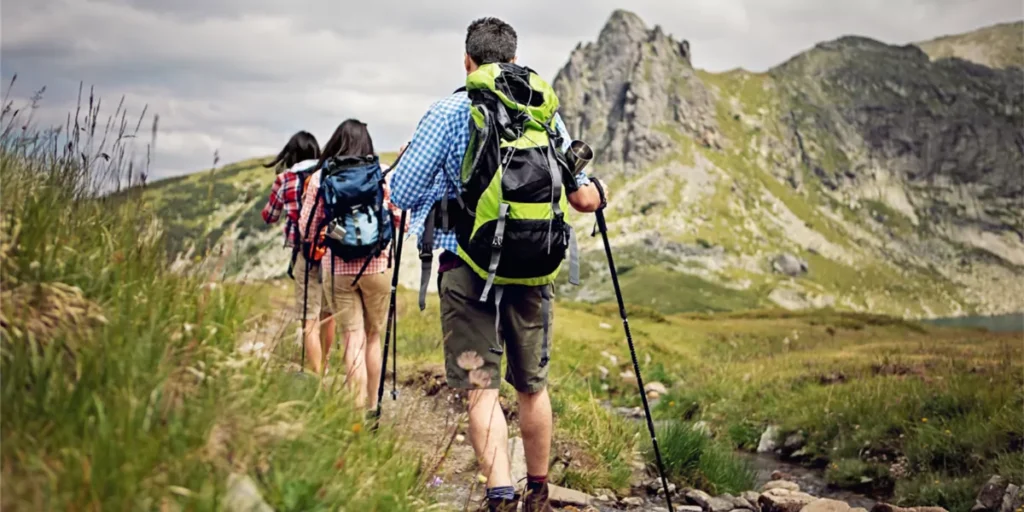
A few hours on a forest trail can be enough to clear your head, challenge your body, and remind you how good it feels to spend time outside. For others, the real appeal of the outdoors lies in walking for miles through remote landscapes, carrying everything needed for the night, and waking up to a view that most visitors never get to see. Both experiences offer their own rewards, but they demand different levels of preparation, equipment, physical endurance, and commitment.
I enjoy the fact that hiking does not have to look the same for everyone. You can spend a Saturday morning exploring a nearby nature reserve and return home in time for dinner, or venture into the wilderness with a loaded backpack and spend several days away from familiar comforts. If you are weighing day hiking vs. backpacking, the best choice depends on what you want from your outdoor adventures, how much time you have, and how prepared you are to handle the challenges that come with each experience.
What Is Day Hiking?
Day hiking involves walking a trail or exploring a natural area with the intention of returning to your starting point or another planned destination before the day ends. Trips can last an hour or stretch across most of the day, depending on the route, your fitness, and the time available. Some hikers prefer easy woodland paths and scenic walks, while others seek steep climbs, rocky terrain, and demanding mountain routes.
One of the biggest advantages of day hiking is its simplicity. You generally carry only what you need for the outing, including water, food, navigation tools, weather protection, and a few emergency essentials. Because you do not need to transport sleeping equipment, cooking gear, or several days of supplies, your pack can remain relatively light and comfortable.
Day hiking also makes it easier to fit outdoor activities into an ordinary schedule. You can explore a trail close to home, plan a weekend excursion, or use a free afternoon to get some fresh air. For beginners, this flexibility provides an opportunity to discover what they enjoy about hiking before investing in specialized equipment or committing to a longer wilderness trip.
What Is Backpacking?
Backpacking involves traveling through the outdoors while carrying the equipment needed to remain away from established accommodation, often for one or more nights. A backpacker may spend the day walking between campsites, navigating remote trails, crossing varied terrain, and setting up shelter before darkness falls. Unlike day hiking, the journey includes managing the practical requirements of overnight living.
The backpack usually contains more than food, water, and basic emergency supplies. Depending on the destination and conditions, you may need a tent or other shelter, a sleeping bag, an insulated sleeping pad, cooking equipment, extra clothing, and additional supplies. That added weight changes the physical experience, particularly when the route includes steep ascents, loose rocks, or long stretches without reliable water sources.
Backpacking also requires more independent decision-making. You must consider where to camp, how much food to carry, how to manage water, and what to do if weather or trail conditions change your plans. The reward is an experience that extends beyond the walk itself, giving you more time to explore a landscape and enjoy the quieter moments that come after the day’s hiking is finished.
The Biggest Difference Is What You Carry
When comparing day hiking and backpacking, the weight of your pack is one of the most noticeable differences. A day hiker can often get away with a small backpack containing drinking water, snacks, a rain jacket, a first-aid kit, navigation tools, and other essentials. The exact load depends on the weather, route, distance, and availability of help, but the general aim is to carry what you need without unnecessary weight.
A backpacker must also carry the equipment needed to sleep and function outdoors. Even lightweight tents, sleeping bags, and cooking systems add weight, while extra food and clothing increase the load as the trip gets longer. Water can be especially heavy, so backpackers need to plan their route around reliable sources and carry an appropriate treatment method where necessary.
This difference affects both comfort and performance. A steep trail that feels manageable with a light day pack may become substantially harder when you are carrying several days of supplies. I recommend starting with shorter routes and a modest load, then increasing distance and weight gradually as your fitness and experience improve. Buying ultralight equipment can help, but learning to pack efficiently and avoid unnecessary items is just as valuable.
Which Adventure Is Better for Beginners?
For most beginners, day hiking is the easier place to start. You can choose a well-marked trail, walk for a manageable distance, and return home without needing to master overnight camping skills immediately. This gives you time to learn how your body responds to elevation changes, how to manage your pace, and which clothing and footwear work best for you.
Day hikes also provide a convenient way to develop essential outdoor skills. You can practice reading maps, navigating trail junctions, checking weather forecasts, managing water, and recognizing when fatigue is affecting your judgment. These skills become increasingly important on longer journeys, where a mistake can be more difficult to correct and help may be farther away.
Backpacking is still accessible to beginners, provided they prepare carefully. A short overnight trip at an established campsite can introduce you to carrying sleeping equipment, pitching a tent, preparing meals, and organizing your gear without requiring a remote expedition. I would choose a familiar, relatively easy route, check local conditions, and go with an experienced companion if possible. A gradual introduction makes the experience more enjoyable and helps you build confidence before attempting more demanding trips.
Comparing the Physical Demands
Day hiking can range from a gentle stroll to an intense full-day challenge. A short walk along a flat trail may require little more than basic fitness, while a long mountain route with substantial elevation gain can test experienced hikers. Because the pack is usually lighter, however, you have more freedom to concentrate on your pace, footing, and energy levels without managing the added burden of overnight equipment.
Backpacking often requires more sustained effort because the walking is combined with carrying a heavier load. You may cover moderate distances over several consecutive days, meaning your body has less time to recover between outings. Climbing hills, navigating rough ground, and walking with tired legs can become increasingly demanding, especially when you are carrying food and water for an extended journey.
Neither activity is automatically more difficult in every situation. A technical day hike in exposed mountain terrain may be more challenging than a relaxed overnight backpacking trip on a well-maintained trail. The important factors are distance, elevation gain, terrain, weather, pack weight, and your personal fitness. Choose an adventure that matches your current ability rather than judging difficulty by the name of the activity alone.
How Much Time Do You Need?
Time is one of the clearest reasons to prefer one activity over the other. Day hiking can fit into a morning, afternoon, or full day, making it easier to plan around work, family responsibilities, and other commitments. You still need to account for travel, preparation, breaks, and the possibility of delays, but you can generally return home the same day.
Backpacking usually requires more planning because the journey includes at least one overnight stay. Even a simple weekend trip involves packing equipment, arranging transport, checking the forecast, planning meals, and allowing enough time to reach a suitable campsite before dark. Longer trips require additional attention to water availability, resupply options, route conditions, and contingency plans.
That extra commitment is part of backpacking’s appeal for many people. Spending several days outdoors allows you to move beyond the pressure of returning home before evening and settle into a slower rhythm. You may have more opportunities to explore side trails, watch wildlife, or enjoy a quiet morning before setting off again. If you have limited time, though, a well-chosen day hike can provide a rewarding outdoor experience without requiring a full weekend away.
Comparing the Cost of Each Adventure
Day hiking is usually less expensive to get started with because the equipment list is shorter. If you already own suitable footwear, a backpack, a water bottle, and weather-appropriate clothing, you may only need a few additional essentials. Some trails are free to access, while others require entrance fees, parking payments, or permits, so the cost will depend on where you go.
Backpacking generally requires a larger initial investment because overnight equipment adds several important items to the list. You may need a tent, sleeping bag, sleeping pad, stove, cookware, and a backpack that can comfortably carry the load. There are also ongoing costs for food, fuel, permits, campsite fees, equipment maintenance, and transport to more remote destinations.
The difference does not mean backpacking must be expensive. You can borrow equipment, rent gear, buy reliable secondhand items where appropriate, or begin with a simple overnight trip using equipment you already have. Focus first on the essentials that protect you from weather and help you sleep safely and comfortably. There is little reason to purchase premium equipment before you know which type of adventure you enjoy most.
The Gear You Need for Day Hiking
A day-hiking kit should be light enough to carry comfortably but comprehensive enough to handle ordinary problems and unexpected delays. Water and food are priorities, along with weather-appropriate clothing, a first-aid kit, navigation tools, and a reliable light source. Even if you plan to return before sunset, an injury or navigational mistake can extend the outing, so it is sensible to carry a headlamp and some additional supplies.
Footwear should suit the terrain and conditions rather than simply looking like traditional hiking gear. Some trails are comfortable in sturdy trail shoes, while rocky, muddy, or uneven routes may call for footwear with more protection and support. A rain jacket, sun protection, and extra layers can also make a major difference when conditions change during the day.
I would avoid filling a day pack with unnecessary gadgets. Instead, concentrate on the items that help you stay hydrated, navigate, protect yourself from the elements, and respond to minor emergencies. Check the forecast and trail information before leaving, tell someone your route and expected return time, and carry more supplies when the route is remote or the weather is unpredictable.
The Gear You Need for Backpacking
Backpacking requires a more complete equipment system because you must be prepared to sleep, eat, and manage changing conditions away from home. A suitable backpack should distribute weight comfortably, while a tent or other shelter provides protection from expected weather. Your sleeping bag and sleeping pad should be appropriate for the lowest temperatures you are likely to encounter, not just the pleasant conditions at the start of the trip.
Food and water planning become more important as the journey gets longer. Carry enough food for the planned duration, with a reasonable reserve for delays, and understand where reliable water sources may be found along the route. Bring a treatment method suitable for the likely water hazards and a stove or other cooking system if your meals require it. Always follow local fire restrictions and the manufacturer’s safety instructions for cooking equipment.
Organization can make a backpacking trip much easier. Waterproof bags or a pack liner help protect sleeping equipment and spare clothing, while keeping frequently used items accessible saves time on the trail. I also recommend checking every piece of essential equipment before departure, especially if it has been stored for months. A damaged tent pole, leaking water container, or unreliable headlamp can become a much bigger problem when you are several hours from the nearest road.
Safety: What Changes When You Stay Overnight?
Safety matters in both activities, but backpacking introduces additional considerations because you remain outdoors after the day’s walking is finished. A day hiker who encounters worsening weather may be able to return to a trailhead or vehicle, depending on the route. A backpacker may need to decide whether to continue to a planned campsite, change the route, or find a safer location before darkness arrives.
Weather deserves particular attention during overnight trips. Temperatures can fall after sunset, storms may arrive while you are sleeping, and prolonged rain can make streams or slopes hazardous. Before leaving, understand the local forecast, check for official warnings, and identify the points at which you would turn around or abandon the plan. Do not camp in dry creek beds, flood-prone hollows, beneath unstable trees, or in other locations where changing conditions could create serious danger.
Navigation and communication are equally important. Carry a suitable map and compass or another reliable navigation system, and know how to use your equipment before entering remote terrain. A phone can be useful, but battery life and mobile coverage are not guaranteed. For remote trips, consider whether a satellite messenger or personal locator beacon is appropriate, and make sure someone knows your itinerary and expected return time.
The Experience: Convenience or Immersion?
Day hiking offers a satisfying way to connect with nature without giving up the comforts of home for the night. You can enjoy a sunrise walk, explore a forest, reach a viewpoint, or spend hours moving through a landscape before returning to a familiar bed and a hot shower. For people who want outdoor exercise, fresh air, and a break from daily routines, that combination is hard to beat.
Backpacking offers a different kind of immersion. Once you have reached camp and organized your equipment, the evening becomes part of the adventure rather than simply the end of a walk. You might cook a meal beneath the trees, listen to rain against the tent, watch the last light fade across a valley, or wake early enough to see the landscape before other visitors arrive. These quieter moments are often among the most memorable parts of spending multiple days outdoors.
There are trade-offs, of course. Backpacking means dealing with damp clothing, basic washing facilities, insects, tired muscles, and the responsibility of managing your own shelter and food. Day hiking avoids many of those inconveniences, but it also limits how far you can travel and how long you can remain in a particular landscape. Neither is inherently better; they simply provide different ways of enjoying the outdoors.
How to Decide Which Adventure Suits You
The right choice depends on your priorities, available time, current fitness, budget, and willingness to learn new skills. If you want a flexible outdoor activity that can fit into a single day, hiking is an excellent option. If you enjoy self-sufficiency, overnight camping, and the challenge of carrying everything you need, backpacking may be more appealing.
I would consider these questions before committing to a trip:
- How much time can I realistically set aside?
- Am I comfortable walking the planned distance and elevation with the expected pack weight?
- Do I already own suitable equipment, or can I borrow or rent what I need?
- Am I confident navigating the route and responding to changing weather?
- Will I be traveling alone or with people whose abilities and experience match the trip?
- Is the route appropriate for the season and the conditions expected?
Your answers do not have to point permanently toward one activity. You might enjoy short day hikes during busy weeks and reserve backpacking for long weekends or holidays. Many experienced outdoor enthusiasts move between the two depending on their schedules, goals, and the landscape they want to explore.
A Simple Way to Progress From Hiking to Backpacking
If backpacking appeals to you but the equipment and preparation seem overwhelming, begin with day hikes that gradually increase in distance and elevation. These outings allow you to build endurance, test footwear, learn how to manage water and food, and discover how your body responds to different terrain. Practice navigation and basic first aid along the way rather than leaving those skills until you need them.
Next, try a short overnight trip at an established campsite. Choose a straightforward route with reliable access, a suitable camping area, and an easy way to leave if the weather deteriorates. Carry only the equipment you need, test your sleeping system before departure, and prepare simple meals that require little effort. If possible, make your first trip with someone who has experience camping outdoors.
After the trip, review what worked and what did not. You may discover that your backpack fits poorly when loaded, your sleeping pad is uncomfortable, or you carried far more food than necessary. Make improvements gradually instead of replacing all your equipment at once. Over time, you can extend your trips and tackle more challenging routes as your confidence, skills, and fitness develop.
Common Mistakes to Avoid in Both Activities
One of the biggest mistakes hikers make is underestimating the route. A trail’s advertised distance tells only part of the story because elevation gain, rough ground, heat, rain, and navigation challenges can substantially increase the effort required. Check the route details carefully and leave enough daylight to complete the planned journey without rushing.
Another mistake is assuming that good weather at the trailhead will last throughout the trip. Conditions can change rapidly with elevation and distance, particularly in mountainous areas. Carry appropriate clothing, check the latest forecast, and be willing to turn around when the weather makes the route unsafe. The same principle applies to backpacking, where the consequences of reaching camp late or becoming exposed overnight can be more serious.
Finally, do not let enthusiasm push you beyond your current ability. A difficult trail or remote campsite will still be there when you have more experience, and there is no prize for continuing when you are exhausted, lost, or worried about conditions. Plan within your limits, communicate your intentions, and treat turning back as a responsible decision rather than a failure.
Which Outdoor Adventure Is Right for You?
Day hiking and backpacking share the same basic attraction: the opportunity to step away from familiar surroundings and experience the natural world on foot. Day hiking offers convenience, lower equipment requirements, and flexibility, making it a natural starting point for beginners and a rewarding activity for experienced hikers. Backpacking requires more planning and gear, but it gives you the chance to spend longer in remote places and experience the outdoors at a slower pace.
My recommendation is to begin with the adventure that fits your current circumstances rather than the one that sounds most impressive. If you are new to outdoor recreation, choose a manageable day hike and learn the fundamentals of navigation, weather awareness, and trail safety. If you already enjoy hiking and want a deeper experience, a carefully planned overnight trip can be an excellent next step.
Ultimately, day hiking vs. backpacking is not a competition with a single winner. Both can challenge you, introduce you to remarkable landscapes, and create memories that stay with you long after the boots have been put away. Start with realistic goals, prepare thoughtfully, and allow your experience to grow naturally. The best outdoor adventure is the one that matches your abilities, respects the environment, and leaves you eager to head back outside.